Advances in Alzheimer’s disease diagnosis are moving quickly.
New blood-based biomarker (BBM) tests are making headlines for their ability to detect signs of Alzheimer’s disease earlier and more affordably than ever before. Naturally, one question keeps coming up:
If a blood test can detect Alzheimer’s, do we still need PET imaging?
After reading Positrigo’s recent white paper on emerging Alzheimer’s care pathways, one takeaway stood out to us: the future isn’t about choosing one technology over the other. It’s about using each where it adds the greatest value.
As new diagnostic tools become available, we believe it’s important to stay informed so we can help our physician partners understand how these changes may impact patient care.
Alzheimer’s Care Is Changing
Until recently, Alzheimer’s diagnosis often relied on clinical symptoms, cognitive assessments, and structural imaging. Today, disease-modifying therapies have changed that landscape.
Earlier diagnosis has become increasingly important because treatment options are most effective before significant disease progression. As a result, clinicians are looking for faster, more efficient ways to identify patients who may benefit from additional evaluation.
This is where blood-based biomarkers are creating excitement.
Blood Tests Are Opening New Doors
Blood-based biomarkers offer several advantages.
They’re widely available, minimally invasive, and significantly easier to administer than advanced imaging. As the technology continues to improve, these tests have the potential to help primary care providers identify patients who should be referred for additional Alzheimer’s evaluation much earlier in the diagnostic process.
That’s a meaningful advancement for both patients and providers.
Earlier identification may reduce delays, improve access to specialists, and help patients begin the appropriate diagnostic journey sooner.
But a Blood Test Doesn’t Tell the Whole Story
One point emphasized throughout the Positrigo white paper is that blood-based biomarkers estimate the likelihood of Alzheimer’s pathology. They do not provide the same level of diagnostic information as PET imaging.
A blood test can suggest that amyloid pathology may be present.
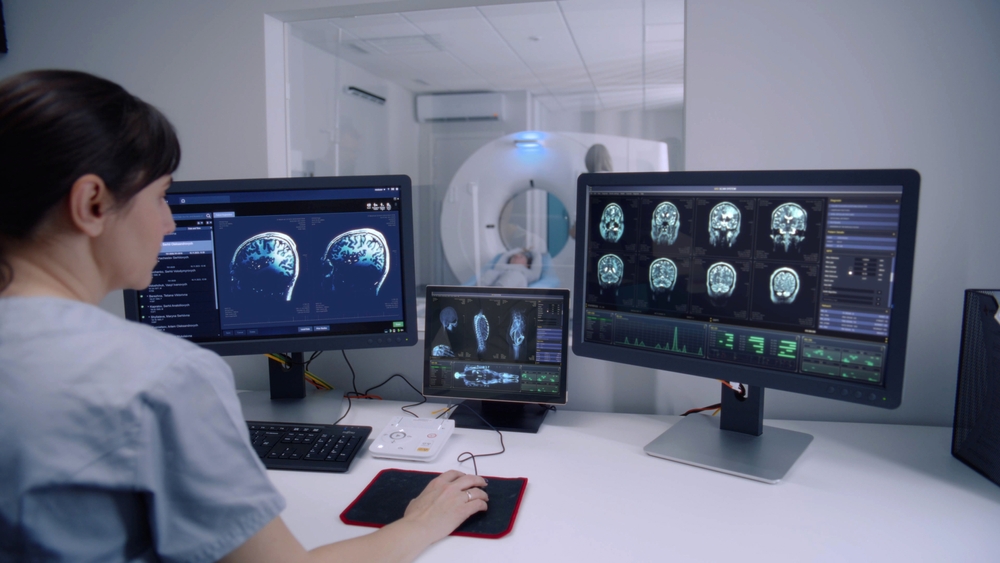
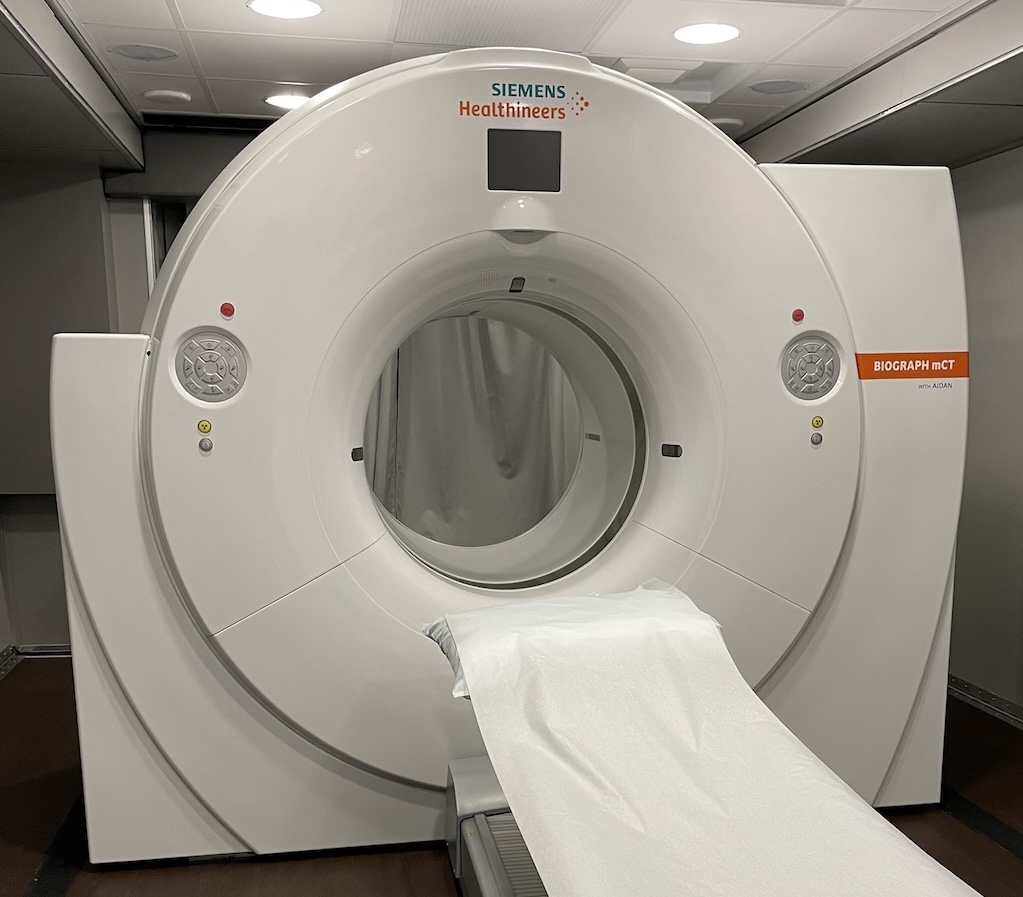
PET imaging can show where that pathology exists within the brain, help confirm the diagnosis, support treatment decisions, and provide a baseline for monitoring disease over time.
As Alzheimer’s therapies continue to evolve, that level of confirmation becomes increasingly important.
A Better Question Than “Which Is Better?”
Rather than asking whether blood tests will replace PET imaging, the better question may be, “How do these technologies work together?”
The care pathway outlined in the Positrigo white paper illustrates a sequential approach:
- A patient presents with cognitive concerns.
- Initial evaluation occurs in primary care.
- Blood-based biomarkers help identify patients who may require further evaluation.
- Patients are referred to a neurologist or memory clinic.
- PET imaging or CSF testing provides diagnostic confirmation.
- Clinicians use that information to guide treatment decisions and ongoing patient management.
Each step serves a different purpose.
Rather than competing technologies, blood-based biomarkers and PET imaging appear to be complementary tools within a more efficient diagnostic pathway.
What This Means for Healthcare Providers
For physician practices and health systems, the conversation is becoming less about adopting one technology and more about understanding where each fits into patient care.
Blood-based biomarkers may help practices identify patients sooner.
PET imaging continues to provide the biological confirmation needed for diagnosis, treatment planning, and longitudinal assessment, particularly as disease-modifying therapies become more widely available.
As clinical guidelines continue to evolve, practices will likely benefit from having access to both screening and confirmatory diagnostic tools.
Why Captive Radiology Is Following These Developments
At Captive Radiology, we’re committed to staying informed about the technologies and research shaping the future of advanced imaging.
Our role isn’t to tell physicians how to practice medicine. It’s to help our partners understand how evolving imaging technologies fit into today’s clinical landscape so they can continue delivering the highest level of patient care.
The conversation around Alzheimer’s diagnosis will continue to evolve, and researchers will undoubtedly make significant advances in the years ahead.
For now, the latest evidence suggests that blood-based biomarkers and PET imaging are not competing for the same role. Instead, they each contribute valuable information at different points in the patient’s journey.
As access to earlier diagnosis and disease-modifying therapies expands, that complementary approach may prove to be one of the most important developments in Alzheimer’s care.