Alzheimer’s care is entering a new phase.
Diagnostic imaging is no longer limited to confirming late-stage disease. Providers now have access to tools that detect pathology earlier, quantify progression, and guide treatment decisions with greater precision.
For healthcare leaders, this shift is operational. Imaging strategy is becoming central to how neurological care is delivered, scaled, and reimbursed. Facilities that align with these changes position themselves to support earlier intervention and more targeted care pathways.
Imaging Moves Upstream in Alzheimer’s Care
Early detection continues to shape Alzheimer’s research and clinical practice. Blood-based risk tools and genetic models are gaining attention, yet imaging remains the standard for confirming disease-specific pathology.
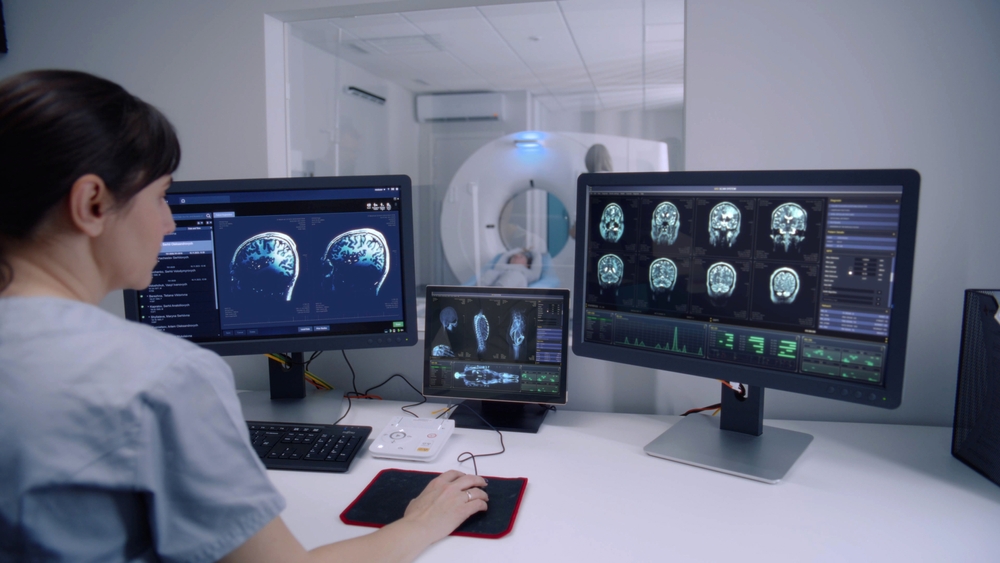
PET imaging plays a central role. It enables clinicians to visualize amyloid plaques and tau proteins directly in the brain, distinguishing Alzheimer’s disease from other forms of cognitive decline.
As new therapies emerge, the need for diagnostic certainty increases. Treatment decisions now depend on confirmed pathology, not symptom presentation alone. Imaging is moving earlier in the patient journey and becoming a prerequisite for care planning.
PET Biomarkers Bring Clarity to Clinical Decisions
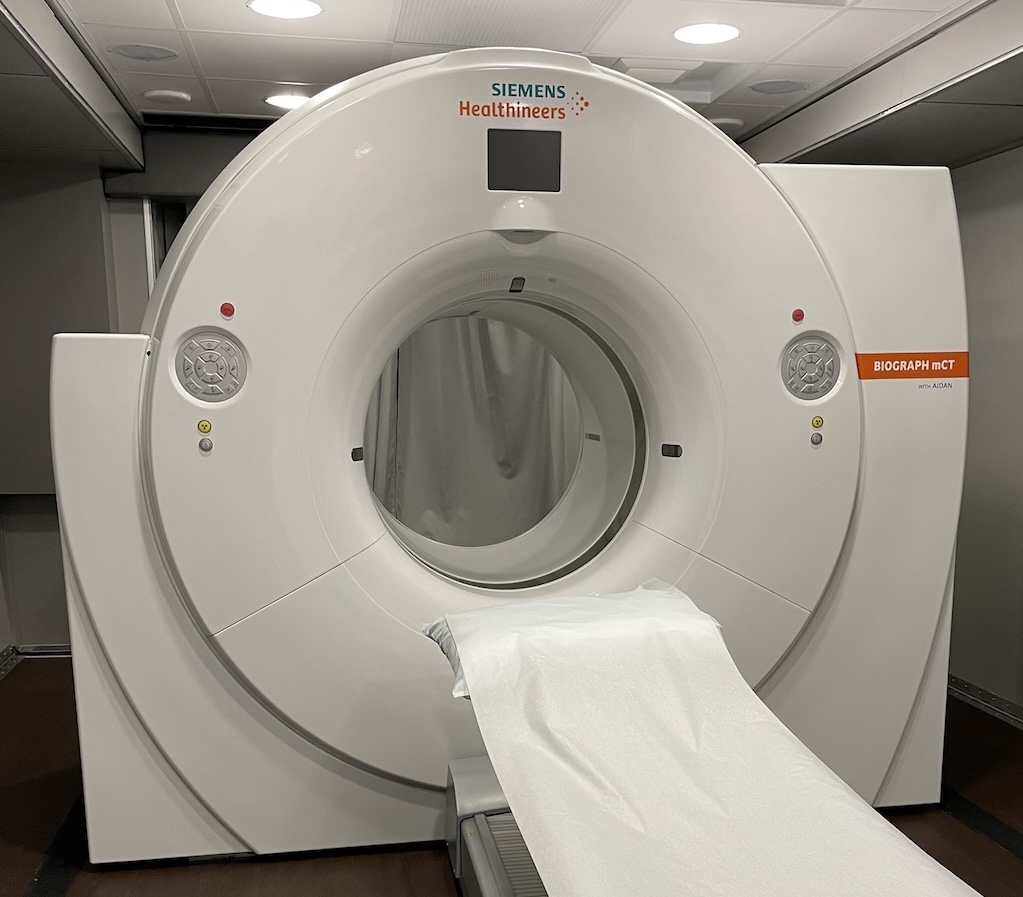
Advancements in PET-CT imaging have introduced measurable standards into Alzheimer’s care. Clinicians can quantify amyloid burden and stage tau distribution with greater consistency.
Standardized frameworks such as Centiloid scoring reduce variability across scans and sites. Tau staging adds another layer, providing a clearer picture of disease progression within the brain.
These capabilities directly impact care delivery:
- Diagnosis can be confirmed with greater confidence
- Disease progression can be tracked longitudinally
- Treatment eligibility can be assessed using objective data
Imaging is no longer a static snapshot. It is an active component of ongoing clinical management.
New Brain PET Systems Expand Access
Recent FDA clearance of dedicated brain PET systems reflects a broader push toward accessibility. These systems are designed specifically for neurological imaging, with a smaller footprint and simplified installation requirements.
Some platforms are optimized for brain-only imaging and allow patients to be scanned in a seated position. This reduces infrastructure demands and enables more flexible deployment, particularly in outpatient settings.
These systems are still evolving. Clinical validation will determine adoption and how they compare to established PET-CT platforms.
For providers, the takeaway is directional.
Imaging is becoming more adaptable, and access to advanced diagnostics is expanding.
MRI Innovation Adds Another Layer
MRI technology is also evolving. Portable and low-field MRI systems are being explored to bring neuroimaging closer to the point of care.
While MRI does not replace PET for molecular imaging, it complements it. Structural imaging combined with molecular data provides a more complete picture of neurological health.
Multi-modality imaging will continue to define how Alzheimer’s is diagnosed and monitored.
What This Means for Healthcare Providers
The pace of change introduces both opportunity and pressure. Imaging capabilities are advancing rapidly, and expectations around early diagnosis and treatment continue to rise.
Healthcare organizations need to evaluate imaging within their long-term strategy, including:
- Alignment of modalities with patient population
- Infrastructure, workflow, and reimbursement considerations
- Monitoring emerging technologies as they move toward validation
Adopting the right imaging solution is not solely a clinical decision. It directly impacts operations, referral patterns, and care delivery models.
Organizations that act early can lead in neurological care. Those that delay will be forced to react.
Staying Ahead of What Comes Next
New technologies will continue to enter the market. Some will gain rapid adoption, while others will require further validation.
What matters is having a partner who can interpret these developments and translate them into practical solutions.
Captive Radiology works with providers to integrate advanced imaging systems that align with current needs while preparing for future demand. From PET-CT systems to emerging brain-specific platforms, the focus remains on solutions that are clinically sound and operationally viable.
For practices expanding neurological services, a defined imaging strategy is essential.
Be Ahead of the Curve for Your Practice and Patients
Alzheimer’s care is becoming more data-driven, precise, and dependent on advanced imaging.
Providers who adapt now will be better positioned to support early diagnosis and guide treatment decisions.
Connect with Captive Radiology to implement PET-CT and advanced imaging solutions aligned with the future of Alzheimer’s care.